

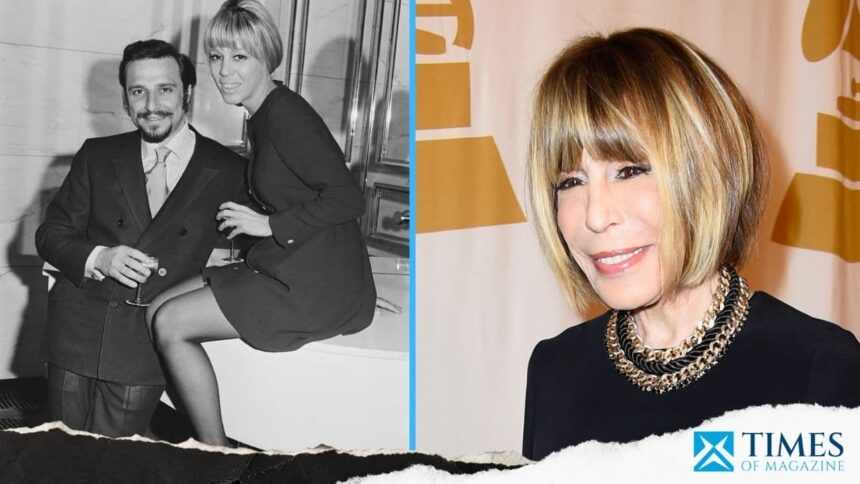
Cynthia Weil was one of the most influential lyricists in American popular music history. Best known for her decades-long collaboration with her husband Barry Mann, she co-wrote some of the most iconic songs of the 20th century. Cynthia Weil helped shape the sound of rock and roll, pop, and R&B through timeless hits that continue to resonate with audiences today.
Her work with Barry Mann produced classics that defined eras and earned countless awards. From the Brill Building era to later successes with major artists, she demonstrated remarkable versatility and emotional depth in her lyrics. Her contributions extended far beyond commercial success, influencing generations of songwriters.
Even after her passing in 2023, interest in Cynthia Weil remains strong. Her story represents the power of creative partnership and the lasting impact of exceptional songwriting talent.
Quick Bio: Cynthia Weil
| Attribute | Details |
|---|---|
| Full Name | Cynthia Weil |
| Date of Birth | October 18, 1940 |
| Date of Death | June 1, 2023 (Age 82) |
| Birthplace | New York City, New York, USA |
| Nationality | American |
| Profession | Lyricist, Songwriter |
| Known For | Co-writing “You’ve Lost That Lovin’ Feelin'”, “On Broadway”, “Here You Come Again” |
| Famous Partner | Barry Mann (husband and collaborator since 1961) |
| Children | Daughter: Jenn Mann |
| Notable Achievements | Rock & Roll Hall of Fame (2010), Songwriters Hall of Fame (1987) |
| Net Worth (est. at death) | $10 Million – $20 Million (primarily from royalties) |
Early Life, Background and Education
Cynthia Weil was born on October 18, 1940, in New York City. She grew up in a Jewish family with roots tracing back to Lithuanian and Sephardic heritage. Her early environment in Manhattan exposed her to a rich cultural scene that nurtured her creative interests from a young age.
She attended Sarah Lawrence College, where she initially pursued acting and singing before discovering her talent for lyric writing. This educational background provided her with a strong foundation in the arts and storytelling. Cynthia Weil’s college years proved instrumental in shaping her future career path.
Her early life in New York City placed her at the center of the American music industry during a transformative period. These formative experiences helped prepare her for the competitive world of professional songwriting.
Entering the Brill Building Era
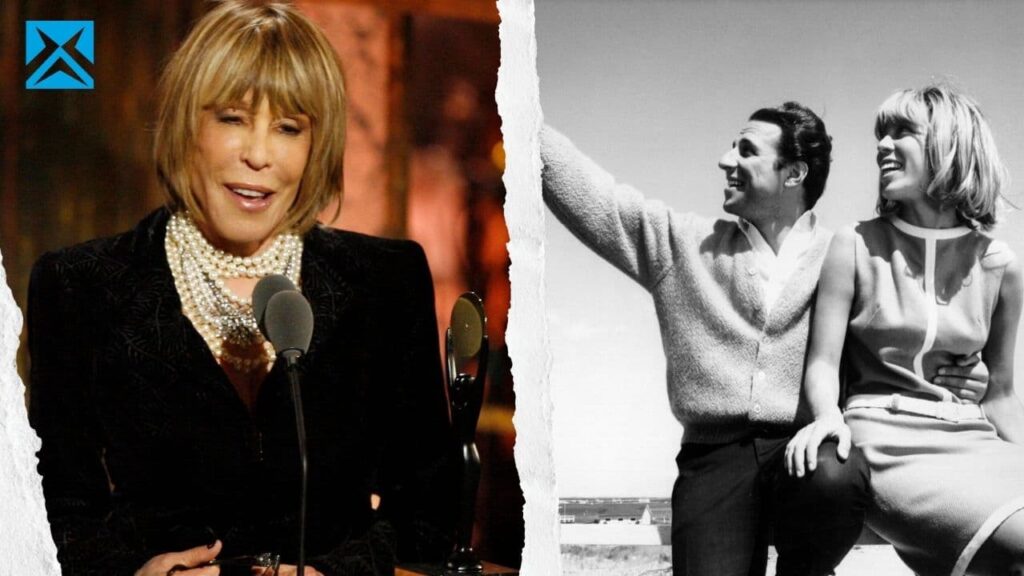
Cynthia Weil entered the legendary Brill Building song writing scene in the early 1960s. This era was known for its highly efficient music publishing system where teams created hits for various artists. She quickly established herself among the top lyricists working in this competitive environment.
Her early collaborations led to several successful songs that gained radio play and chart success. Cynthia Weil demonstrated a natural ability to craft emotionally resonant lyrics that connected with listeners. This period marked the beginning of her long and influential career.
The Brill Building experience taught her valuable lessons about collaboration and commercial songwriting. she adapted quickly and began forming important professional relationships that would define her legacy.
Partnership with Barry Mann – A Legendary Collaboration
Cynthia Weil met Barry Mann in 1961, and their professional partnership quickly turned personal. They married that same year and began writing songs together. This collaboration became one of the most successful husband-and-wife songwriting teams in music history.
Together they created numerous hits that spanned multiple decades and genres. Cynthia Weil’s lyrical sensibility perfectly complemented Barry Mann’s melodic talent. Their partnership produced songs that became cultural touchstones for entire generations.
The couple’s working relationship was characterized by mutual respect and creative synergy. Cynthia Weil and Barry Mann continued collaborating throughout their careers, creating a body of work that remains highly regarded today.
The Creation of You’ve Lost That Lovin’ Feelin’
One of Cynthia Weil’s most famous contributions is the lyric for “You’ve Lost That Lovin’ Feelin’.” Co-written with Barry Mann and Phil Spector, the song became a massive hit for the Righteous Brothers in 1964. It topped charts and earned widespread critical acclaim.
Cynthia Weil’s lyrics captured universal emotions of love and loss with remarkable depth. The song’s structure and emotional intensity made it a landmark recording. “You’ve Lost That Lovin’ Feelin'” continues to be recognized as one of the greatest songs ever recorded.
This achievement cemented Cynthia Weil’s reputation as a master lyricist. The song remains a staple in popular culture and demonstrates her ability to create timeless work.
Major Hits and Songwriting Legacy
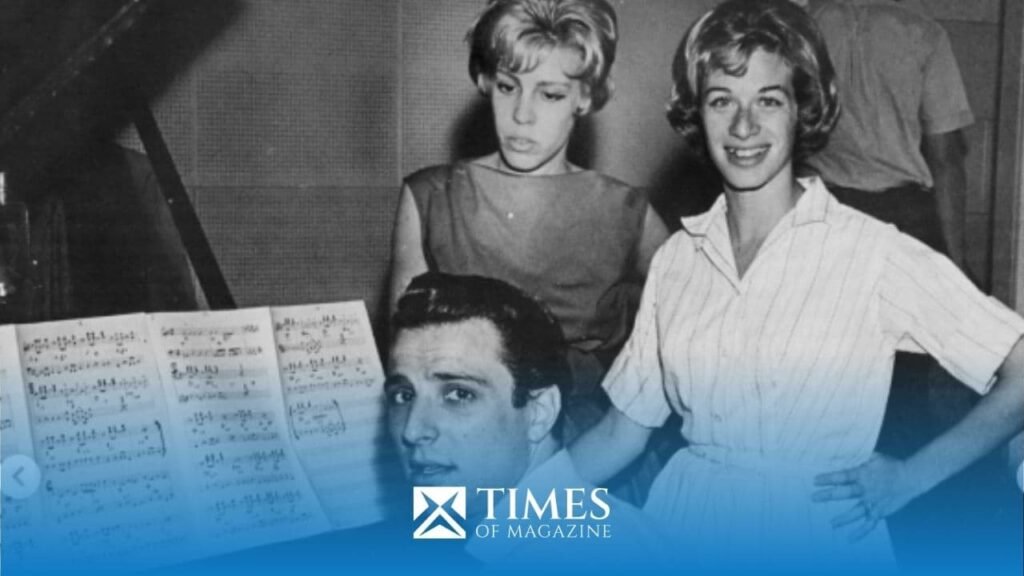
Cynthia Weil co-wrote numerous major hits throughout her career. Songs like “On Broadway,” “Walking in the Rain,” and “Here You Come Again” showcased her versatility across different musical styles. Her work with various artists helped define the sound of multiple eras.
She collaborated with some of the biggest names in music, including Dolly Parton, Chaka Khan, and James Ingram. Cynthia Weil’s lyrics often explored themes of love, resilience, and human experience. Her songwriting legacy extends far beyond commercial success.
The breadth of her catalog demonstrates exceptional skill and adaptability. Cynthia Weil’s contributions continue to influence songwriters and resonate with listeners worldwide.
Breaking Barriers as a Female Lyricist
Cynthia Weil succeeded in a male-dominated industry during an era when female songwriters faced significant barriers. She established herself as a leading voice in the Brill Building scene alongside other talented women. Her success helped pave the way for future generations of female lyricists.
She maintained her creative vision while navigating industry challenges. Cynthia Weil’s determination and talent earned her respect among peers and collaborators. Her achievements demonstrated that exceptional songwriting transcended gender limitations.
Her career served as an inspiration for women pursuing creative careers in music. Cynthia Weil’s legacy includes breaking barriers and setting high standards for lyric writing.
Challenges in a Male-Dominated Industry
Cynthia Weil faced various challenges while working in the competitive music industry of the 1960s and beyond. The male-dominated environment required persistence and confidence to have her voice heard. She navigated these obstacles while producing consistently excellent work.
Industry dynamics often favored certain collaborators and styles. She adapted while maintaining her artistic integrity. Her experiences reflected broader issues faced by women in creative fields during that era.
Despite these challenges, she built a remarkable career spanning several decades. Cynthia Weil’s resilience contributed significantly to her long-term success.
Life Beyond the Spotlight
While known for her songwriting, she maintained aspects of her life away from constant public attention. She focused on family and personal interests alongside her professional work. This balance helped sustain her creativity over many years.
She enjoyed a long and stable marriage with Barry Mann. Their partnership extended beyond songwriting into personal life. Cynthia Weil valued privacy while contributing significantly to American popular music.
Her life beyond the spotlight reflected personal values and commitment to family. She successfully balanced public achievements with private fulfillment.
Marriage, Family and Personal Journey

Cynthia Weil married Barry Mann in 1961, and their partnership lasted over six decades. They raised a daughter, Jenn Mann, while continuing their songwriting collaboration. Their marriage represented both personal and professional harmony.
Family life remained important throughout her career. She balanced creative work with parenting and personal relationships. Her personal journey included navigating fame while maintaining authentic connections.
The couple’s long-term partnership became legendary in the music industry. Cynthia Weil’s family life provided stability and inspiration for her creative work.
Awards, Recognition and Industry Impact
Cynthia Weil received numerous awards recognizing her songwriting excellence. She and Barry Mann were inducted into the Songwriters Hall of Fame and the Rock & Roll Hall of Fame. These honors reflected her significant contributions to popular music.
Her work earned Grammy recognition and other industry accolades. Cynthia Weil’s impact extended beyond individual songs to influence the craft of lyric writing. She received lifetime achievement honors for her body of work.
The recognition she earned validated her talent and dedication. Cynthia Weil’s awards highlighted her importance in American music history.
Later Years and Enduring Influence
In her later years, She continued to be respected within the music community. She remained involved in creative projects while enjoying family time. Her influence on songwriting persisted through new generations of artists.
Even after her passing in 2023, her songs continued to be performed and celebrated. Cynthia Weil’s catalog maintained commercial value and cultural relevance. Her legacy inspired ongoing appreciation for classic songwriting.
She left behind a body of work that continues to touch listeners worldwide. Cynthia Weil’s contributions ensure her place among the greatest lyricists in popular music history.
Conclusion
Cynthia Weil created an extraordinary legacy as one of America’s most talented lyricists. Her collaborations with Barry Mann produced timeless songs that defined generations. She work continues to resonate with audiences long after her passing.
Her story demonstrates the power of creative partnership and dedication to craft. Cynthia Weil broke barriers while maintaining artistic integrity throughout her career. Her influence on popular music remains profound and enduring.
As new generations discover her songs, Cynthia Weil’s contributions to American culture will continue to be celebrated. She leaves behind a remarkable body of work and a lasting impact on the art of songwriting.
Frequently Asked Questions
Who was Cynthia Weil?
She was a legendary American lyricist known for co-writing many classic hit songs with her husband Barry Mann.
What songs did Cynthia Weil write?
She co-wrote hits including “You’ve Lost That Lovin’ Feelin'”, “On Broadway”, “Here You Come Again”, and many others.
When did Cynthia Weil die?
She passed away on June 1, 2023, at the age of 82.
Who was Cynthia Weil married to?
She was married to songwriter Barry Mann since 1961.
What awards did Cynthia Weil win?
She was inducted into the Rock & Roll Hall of Fame and the Songwriters Hall of Fame, among many other honors.
What is Cynthia Weil best known for?
She is best known for her long-term collaboration with Barry Mann and writing iconic songs like “You’ve Lost That Lovin’ Feelin'”.
Read More : Brittny Gastineau Age, Height, Parents & Reality TV Career Revealed