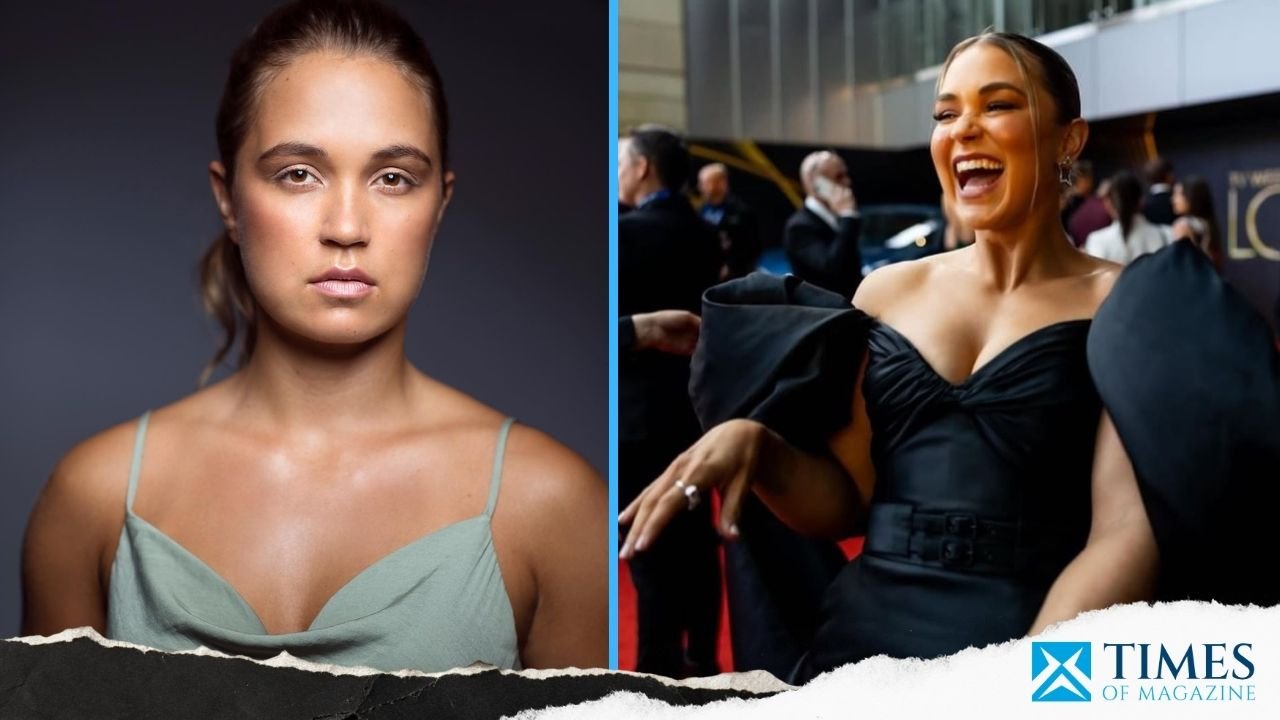



M Lamar, born Reginald Lamar Cox on May 29, 1972, in Mobile, Alabama, is an American composer, countertenor, pianist, and multimedia artist. He is widely recognized for his innovative fusion of opera, African American spirituals, and multimedia performance, creating a unique artistic identity that challenges cultural norms.
He is often referred to in discussions about contemporary avant-garde music and performance art, blending complex narratives on race, gender, and identity. His twin sibling, actress Laverne Cox, also contributes to the public curiosity around M Lamar’s life and work.
This biography explores the life, music, and artistic achievements of M Lamar, highlighting how his creativity and vision have made him an influential figure in modern performance art and experimental music. His story reflects a commitment to both artistic excellence and social discourse, making him a unique voice in contemporary arts.
Quick Bio: M Lamar
| Attribute | Details |
|---|---|
| Full Name | Reginald Lamar Cox (professionally known as M Lamar) |
| Date of Birth | May 29, 1972 |
| Age | 53 years (as of 2026) |
| Place of Birth | Mobile, Alabama, USA |
| Nationality | American |
| Occupation | Composer, vocalist (countertenor), pianist, multimedia artist |
| Education | Studied painting at San Francisco Art Institute; attended Yale School of Art (sculpture) before focusing on music |
| Known For | Negrogothic aesthetics in music and performance; blending opera, spirituals, performance, and multimedia art |
| Relatives | Identical twin brother actress Laverne Cox |
| Instruments | Vocals (countertenor), piano |
| Major Works / Albums | Souls on Lockdown, Negrogothic, Funeral Doom Spiritual, Lordship and Bondage |
| Style & Themes | Negrogothic, doom spirituals, opera fusion with African American cultural critique |
| Notable Projects | Funeral Doom Spiritual (performance + multimedia installation) |
| Residence | Based in New York City (career base) |
| Social / Public Engagements | Participated in dialogues on identity and culture with bell hooks & others |
Origins and Childhood
M Lamar was born and raised in Mobile, Alabama. Growing up in the American South during the 1970s and 1980s shaped his understanding of cultural identity, race, and the African American experience. These early life experiences would later influence the thematic focus of his music and performance art.
From a young age, Lamar was exposed to music and artistic expression. His family nurtured creativity, encouraging him to explore both classical and contemporary forms of music. Early exposure to African American musical traditions and spirituals provided a foundation for his later fusion of genres.
His upbringing also emphasized self-expression and intellectual curiosity, which became integral to his career. By examining his early experiences, one can understand the roots of his artistic vision and the unique perspective he brings as a contemporary performer.
Family Background and Cultural Roots
M Lamar comes from a family that values creativity and cultural awareness. His twin sibling, Laverne Cox, is an accomplished actress, which has created a family environment of artistic expression and public engagement.
The Lamar family emphasized education, individuality, and cultural critique. These values informed his approach to music, blending performance with social commentary. Growing up, he witnessed firsthand the power of storytelling, both in arts and personal experience.
His Southern upbringing and African American heritage are central to his artistic narrative. Family support, combined with exposure to broader cultural issues, shaped his perspective on identity, society, and the transformative potential of music and performance.
Early Influences and Interests
From an early age, M Lamar displayed a passion for music and performance. He was particularly drawn to opera, classical music, and African American spirituals, which later became integral to his signature style.
He also engaged with visual arts and literature, demonstrating a multidisciplinary curiosity that would define his career. Exposure to both traditional and avant-garde forms of art provided the creative foundation for his later experimental works.
These early influences helped Lamar develop a unique voice in contemporary music. They shaped his approach to blending genres and exploring complex themes such as race, identity, and societal critique, setting the stage for his career as an innovative performer.
Education and Musical Training
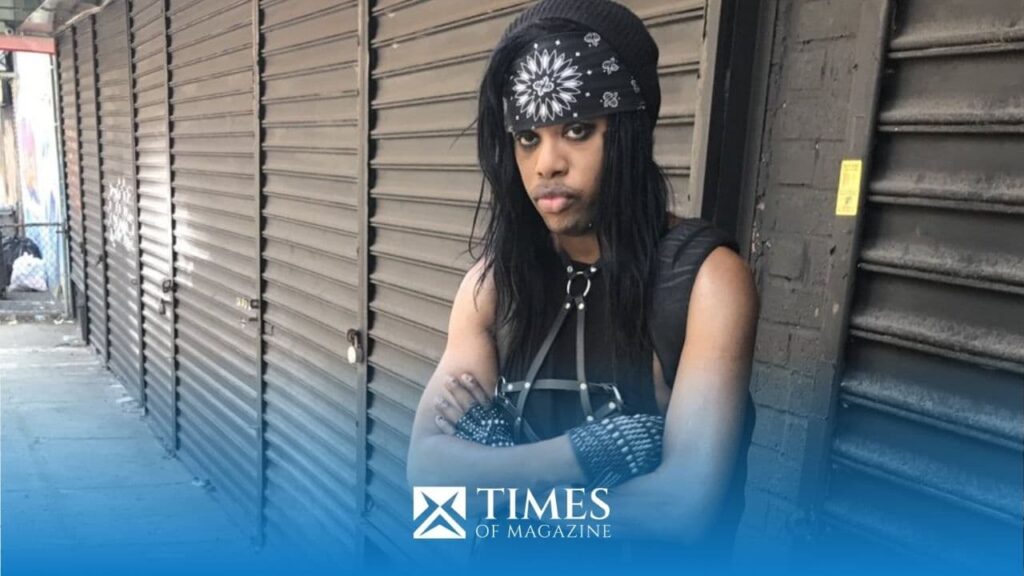
M Lamar studied painting at the San Francisco Art Institute and later attended Yale School of Art, focusing on sculpture before turning his attention fully to music. This academic background in visual arts informs his multimedia approach to performance.
In parallel, he developed musical skills as a countertenor and pianist, training rigorously to master both technical precision and expressive range. His education combined formal study with immersive exploration, enabling him to experiment across artistic disciplines.
By integrating visual arts, music theory, and performance training, Lamar cultivated the tools necessary to produce groundbreaking works. His educational journey underscores his commitment to interdisciplinary artistry and innovation.
Early Career and First Performances
M Lamar’s early career was marked by performances in small venues and experimental music spaces, where he began blending opera, spirituals, and multimedia elements. These initial projects allowed him to refine his distinctive style.
He drew attention for performances that challenged traditional narratives and conventions, presenting music as both personal expression and social commentary. Early shows established him as a thought-provoking, boundary-pushing artist.
These formative experiences prepared Lamar for larger-scale projects and collaborations. His early work laid the foundation for the complex, multimedia performances that would define his reputation as an influential contemporary artist.
Breakthrough and Rise to Fame
M Lamar gained recognition for his album Negrogothic and performance series like Funeral Doom Spiritual, which combined music, ritual, and multimedia installation. These projects highlighted his ability to merge historical, cultural, and personal narratives.
His rise to prominence is marked not only by artistic innovation but also by engagement with issues of race, identity, and social justice. Critics and audiences alike recognized his capacity to transform traditional opera and spirituals into experimental, thought-provoking experiences.
As M Lamar’s reputation grew, his performances attracted international attention, establishing him as a leading figure in avant-garde music and performance art, and solidifying his legacy in contemporary culture.
Major Albums and Music Projects
M Lamar has released several influential albums and projects, including Souls on Lockdown, Negrogothic, Funeral Doom Spiritual, and Lordship and Bondage. These works blend countertenor vocals, piano, and experimental soundscapes with social critique.
Each album explores complex themes such as African American history, oppression, and personal identity, reflecting Lamar’s dedication to storytelling through music. His work is recognized for its emotional intensity, theatricality, and cultural commentary.
By combining musical skill with conceptual depth, these projects have positioned M Lamar as an innovator in experimental music and performance, garnering critical acclaim and a dedicated audience worldwide.
Artistic Style and Influences
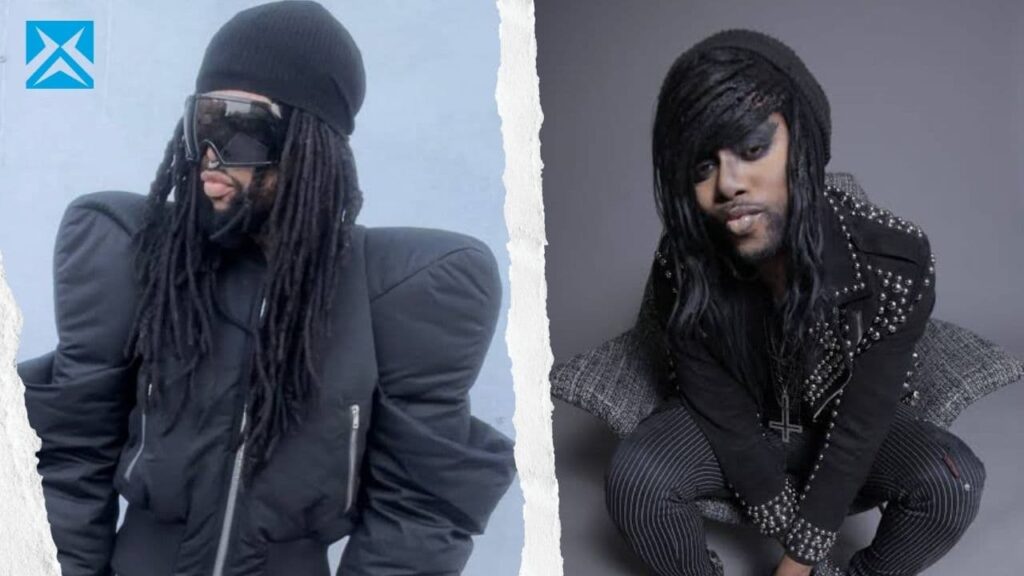
M Lamar’s artistic style, often described as “Negrogothic,” fuses opera, doom spirituals, and multimedia art to explore race, identity, and history. His work is characterized by emotional intensity, theatrical performance, and sociocultural critique.
Influences include classical opera, African American spirituals, performance art, and contemporary experimental music. He draws on these traditions to create immersive, provocative experiences that challenge audience perceptions.
Lamar’s innovative approach has influenced both performers and scholars, demonstrating the power of interdisciplinary art to convey complex cultural and personal narratives. His style continues to inspire emerging artists.
Social Activism and Advocacy
M Lamar uses his artistry to advocate for social justice, exploring themes of racial identity, gender, and historical trauma. His performances often include commentary on African American experiences, creating dialogue around contemporary societal issues.
He engages with communities and participates in panels, discussions, and collaborations that advance conversations about race and equity. Lamar’s art is not only performance but also a tool for activism.
Through these efforts, he exemplifies how music and performance can intersect with advocacy, making him a significant figure in cultural discourse beyond traditional artistic boundaries.
Collaborations and Notable Partnerships
Throughout his career, M Lamar has collaborated with other artists, composers, and institutions to expand his creative vision. Partnerships often combine performance, visual arts, and multimedia installation.
Notable collaborations include working with galleries, experimental theatre companies, and community organizations to create immersive, socially-conscious experiences. These projects further establish his influence as a multidisciplinary artist.
Such collaborations underscore Lamar’s commitment to pushing artistic boundaries and engaging audiences in critical cultural dialogue, reinforcing his stature in experimental and avant-garde music.
Awards and Recognitions
M Lamar has received recognition for innovation in music and performance, including critical praise for albums and live productions. His work has been highlighted in cultural and academic discussions for its depth, originality, and social commentary.
Awards and acknowledgments reflect his contribution to contemporary music, experimental performance, and cultural discourse. They celebrate both technical skill and conceptual innovation, acknowledging Lamar as a leading voice in modern arts.
These accolades solidify his legacy as an artist whose work resonates with both audiences and critics globally.
Personal Life and Lifestyle
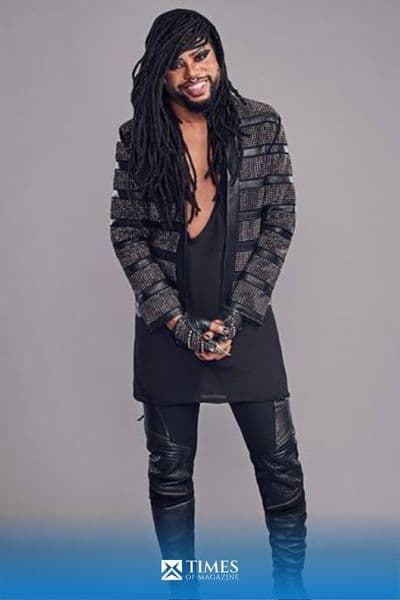
M Lamar maintains a private personal life, focusing on creative work, research, and community engagement. He draws inspiration from history, literature, and the arts, integrating these influences into his compositions.
Despite public interest, Lamar prioritizes family, close collaborations, and artistic development. His lifestyle balances intense creative output with reflection and study, aligning with his multidisciplinary approach.
Understanding his personal life provides insight into the dedication and intentionality behind his music and performances, offering context for those searching M Lamar online.
Conclusion
M Lamar’s life and career demonstrate the power of interdisciplinary artistry. From his early influences to his groundbreaking albums and performances, he has redefined contemporary music and performance art.
His work blends opera, spirituals, and multimedia art with social commentary, offering audiences a unique exploration of culture, identity, and history. M Lamar remains an influential figure, inspiring artists, audiences, and scholars worldwide.
This biography highlights the journey of M Lamar, celebrating his contributions to music, art, and social discourse, underscoring why he continues to be a relevant and inspiring figure in contemporary arts.
Frequently Asked Questions
Who is M Lamar?
M Lamar is an American composer, countertenor, pianist, and multimedia artist known for blending opera, spirituals, and experimental performance.
When was M Lamar born?
He was born on May 29, 1972, in Mobile, Alabama, USA.
What are M Lamar’s notable works?
Albums and projects include Souls on Lockdown, Negrogothic, Funeral Doom Spiritual, and Lordship and Bondage.
What is M Lamar’s musical style?
His style, often called “Negrogothic,” combines opera, African American spirituals, and multimedia art to explore race, identity, and history.
Has M Lamar been involved in activism?
Yes, his performances and collaborations often address social justice, race, and cultural identity.
Read More : Damian Lewis Wife: The Inspiring Story of Helen McCrory