


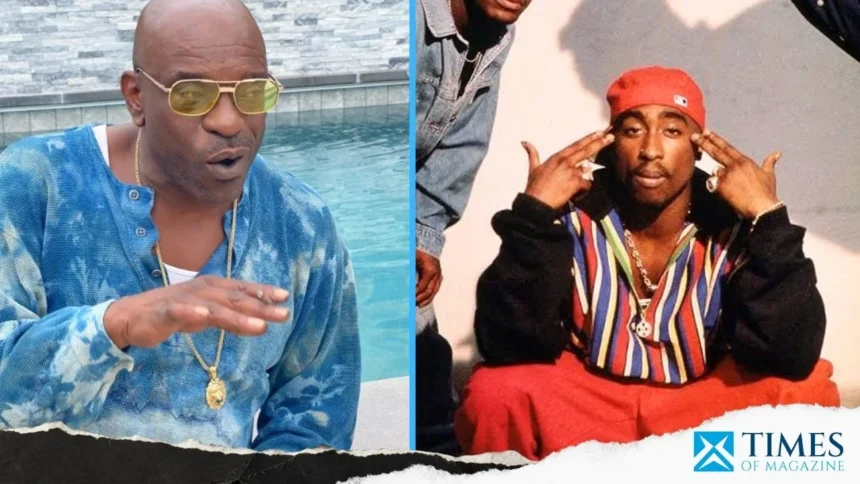
Mopreme Shakur occupies a unique position in hip-hop history as both a talented artist in his own right and the older stepbrother of the legendary Tupac Shakur. While often discussed in the context of his famous sibling, he has forged a distinctive path marked by resilience, creativity, and quiet activism. His contributions to iconic groups and his recent memoir reveal layers of a story that extends far beyond family connections.
Growing up amid political activism and street realities, Mopreme Shakur developed a voice that blends street wisdom with revolutionary ideals inherited from his family. As a founding member of Thug Life and an early Outlawz affiliate, he helped shape the sound and ethos of West Coast gangsta rap during its most explosive era. Today, he continues to honor that legacy while offering new perspectives through writing and community reflection.
His journey reflects the complexities of fame, loss, and survival in the hip-hop world. From collaborative hits to personal evolution after tragedy, Mopreme Shakur embodies the enduring spirit of a movement that continues to influence generations. This profile delves into the man behind the name, exploring his experiences with depth and respect.
Quick Bio: Mopreme Shakur
| Attribute | Details |
|---|---|
| Full Name | Maurice Harding (known as Maurice Shakur) |
| Stage Names | Mopreme Shakur, Wycked, Mocedes, Komani |
| Date of Birth | August 16, 1967 (Age 58) |
| Birthplace | New York City, New York, USA |
| Nationality | American |
| Profession | Rapper, Songwriter, Producer, Author, Activist |
| Known For | Stepbrother of Tupac Shakur, Founding member of Thug Life, Member of Outlawz |
| Family | Son of Mutulu Shakur; Stepbrother to Tupac Shakur; Brother to Sekyiwa Shakur |
| Notable Groups | Thug Life (co-founder), Outlawz (as Komani) |
| Key Releases | Thug Life: Volume 1 (1994), Various Tupac collaborations |
| Notable Works | Memoir This Thug’s Life: An Unapologetically Black Story (2026) |
| Years Active | 1990–present |
| Residence | United States |
| Net Worth (est.) | $1 – $5 Million (primarily from music catalog, appearances & book) |
Mopreme Shakur stands as a veteran figure in hip-hop whose career spans decades of cultural significance. As the eldest son of Black liberation activist Mutulu Shakur, he carries forward a legacy rooted in resistance and community empowerment. His work alongside Tupac helped define an era, yet he has maintained an independent artistic identity.
The release of his 2026 memoir has brought renewed attention to his story, offering rare insights into family history and the true meaning behind Thug Life. Mopreme Shakur remains committed to preserving authentic narratives while navigating life as one of the last surviving voices from that pivotal time in rap music.
Early Life, Background and Education
Born Maurice Harding on August 16, 1967, in New York City, Mopreme Shakur entered a world shaped by activism and upheaval. His father, Mutulu Shakur, was a prominent figure in the Black Liberation Army, which exposed the family to intense government scrutiny and periods of separation. These early experiences instilled a strong sense of identity and resilience from a young age.
He spent much of his childhood in South Jamaica, Queens, with occasional time in Harlem living alongside Tupac and Sekyiwa during periods when family ties overlapped through his father’s relationship with Afeni Shakur. Formal education took a backseat to survival and street awareness, though the political discussions at home served as a different kind of schooling. Mopreme absorbed lessons about systemic injustice and self-determination that would later fuel his lyrics.
The turbulent family dynamics, including his father’s underground period, taught him adaptability and loyalty. These formative years created a foundation of cultural pride and street credibility that Mopreme Shakur carried into his music career, blending personal hardship with broader social commentary.
Bond with Tupac and Family Legacy
The brotherly bond between Mopreme Shakur and Tupac developed early and ran deep, strengthened by shared family circumstances and mutual respect. Though technically stepbrothers, they grew up regarding each other as full siblings, with Tupac adopting the Shakur name. Mopreme often served as a protective older influence, guiding his younger brother through the challenges of their environment.
Their connection extended beyond blood into creative synergy, with shared values drawn from their revolutionary family roots. Mutulu Shakur’s activism provided a common ideological ground that influenced everything from personal decisions to artistic output. Mopreme has frequently described Tupac as both a little brother and a source of inspiration, highlighting their complementary personalities.
This relationship profoundly shaped both men’s trajectories. Even after Tupac’s rise to stardom, the bond remained a source of grounding and creative fuel, forming one of hip-hop’s most compelling sibling stories marked by loyalty and shared purpose.
Rise in the Hip-Hop Scene
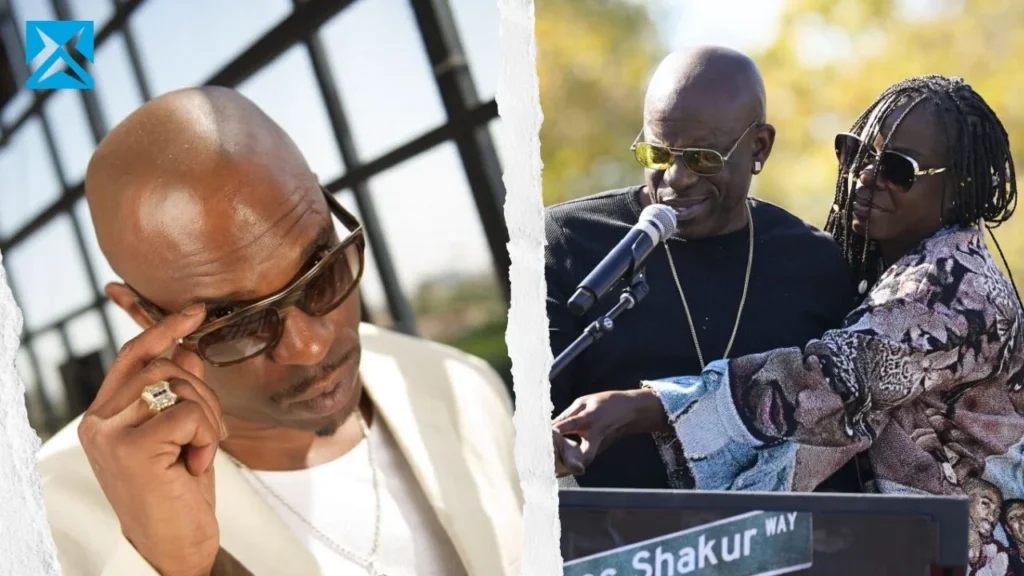
Mopreme Shakur entered the music industry in the early 1990s under aliases like Wycked and Mocedes. His first notable appearance came on Tony! Toni! Toné!’s “Feels Good” in 1990, showcasing early versatility. Collaboration with Tupac on “Papaz Song” from the 1993 album Strictly 4 My N.I.G.G.A.Z. marked a significant step toward wider recognition.
He honed his craft amid the booming West Coast scene, drawing from personal experiences and family teachings. The era’s competitive yet creative atmosphere pushed him to develop a distinctive flow that balanced introspection with street edge. Early recordings revealed a thoughtful lyricist capable of addressing social issues without sacrificing energy.
This gradual ascent built necessary skills and networks. Mopreme Shakur’s dedication during these formative years positioned him as a credible voice ready for larger collective projects that would define the next phase of his career.
Founding Member of Thug Life
In 1993, Mopreme Shakur co-founded Thug Life alongside Tupac, Big Syke, Macadoshis, and Rated R. The group represented more than a rap collective it embodied a philosophy addressing systemic struggles faced by Black communities. Mopreme played a crucial writing role, contributing heavily to the 1994 album Thug Life: Volume 1, which achieved gold status.
Tracks like “Pour Out a Little Liquor” highlighted the group’s raw honesty and social commentary. Mopreme’s input helped shape the project’s direction, ensuring it reflected authentic experiences rather than mere bravado. The album’s success validated their vision despite industry challenges and censorship pressures.
Thug Life’s short but impactful run cemented Mopreme Shakur’s place in hip-hop history. His foundational involvement established him as more than Tupac’s brother, proving his artistic merit through thoughtful contributions that resonated with fans.
Outlawz Era and Group Dynamics
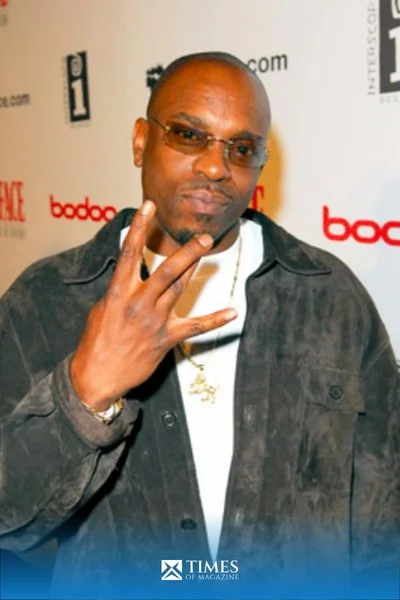
Mopreme Shakur joined the Outlawz as Komani, becoming part of another influential collective during Tupac’s Death Row period. The group’s dynamic energy captured the intensity of the mid-1990s rap scene, with Mopreme adding maturity and strategic insight. Though he eventually stepped back, his presence helped shape early recordings and concepts.
Internal group relationships reflected both camaraderie and the pressures of fame, industry politics, and external conflicts. Mopreme navigated these complexities while maintaining focus on artistic integrity. His temporary departure from the Outlawz allowed exploration of individual projects without severing ties.
This era showcased his adaptability within evolving lineups and shifting industry landscapes. Mopreme Shakur’s experience highlighted the challenges of collective creativity amid rapid success and personal loss.
Collaborations with Tupac Shakur
Working closely with Tupac produced some of Mopreme Shakur’s most memorable moments. From Thug Life tracks to various guest appearances, their chemistry created powerful music that blended personal narrative with cultural critique. Mopreme’s writing contributions added depth to several key releases during Tupac’s peak years.
These collaborations extended beyond studio sessions into shared visions for empowerment and storytelling. Mopreme provided grounding influence while benefiting from Tupac’s creative intensity. The results remain staples in hip-hop playlists decades later.
Their joint work captured a specific moment in time when rap served as both entertainment and resistance. Mopreme Shakur’s role in these pieces underscores his essential place in Tupac’s artistic circle.
Life After Tupac’s Death
The 1996 murder of Tupac Shakur left a profound void for Mopreme Shakur and the entire family. Grief intertwined with the responsibility of preserving legacy amid ongoing investigations and conspiracy theories. He channeled sorrow into continued creative work while protecting family privacy.
Navigating the immediate aftermath required balancing mourning with public expectations. Mopreme chose measured responses rather than sensationalism, focusing on authentic remembrance. This period tested his resilience as he assumed greater responsibility for the Shakur name.
The years following brought reflection and gradual forward movement. Mopreme Shakur emerged with renewed purpose, honoring his brother’s memory through music and later writing while carving space for his own narrative.
Solo Career and Musical Evolution
Post-Tupac, Mopreme Shakur pursued solo endeavors that showcased artistic growth. Releases like the unreleased Heart of a Soulja and Alpha Thug reflected evolving perspectives shaped by experience and loss. His style matured, incorporating deeper introspection alongside signature street authenticity.
Collaborations with artists like DJ King Assassin on projects such as Black & Brown Pride demonstrated continued relevance. Mopreme experimented with production and thematic exploration, moving beyond group constraints. Though lower-profile than earlier work, these efforts maintained his dedication to quality.
His solo journey illustrates adaptability in a changing industry. Mopreme Shakur transitioned from collective success to individual expression while retaining core values that defined his career from the beginning.
Memoir This Thug’s Life and Storytelling
In 2026, Mopreme Shakur released This Thug’s Life: An Unapologetically Black Story, his long-awaited memoir offering the first insider account of the Shakur family and Thug Life’s true origins. The book clarifies misconceptions while detailing personal experiences, activism, and brotherly bonds. It has been praised for its honesty and historical value.
Writing the memoir involved confronting painful memories alongside celebratory ones. Mopreme aimed to set the record straight on family legacy and the philosophical roots of their movement. The process proved therapeutic and educational for both author and readers.
The book’s reception highlights its cultural importance. Through detailed storytelling, Mopreme Shakur provides context that enriches understanding of a pivotal era in music and Black history.
Preserving the Shakur Legacy
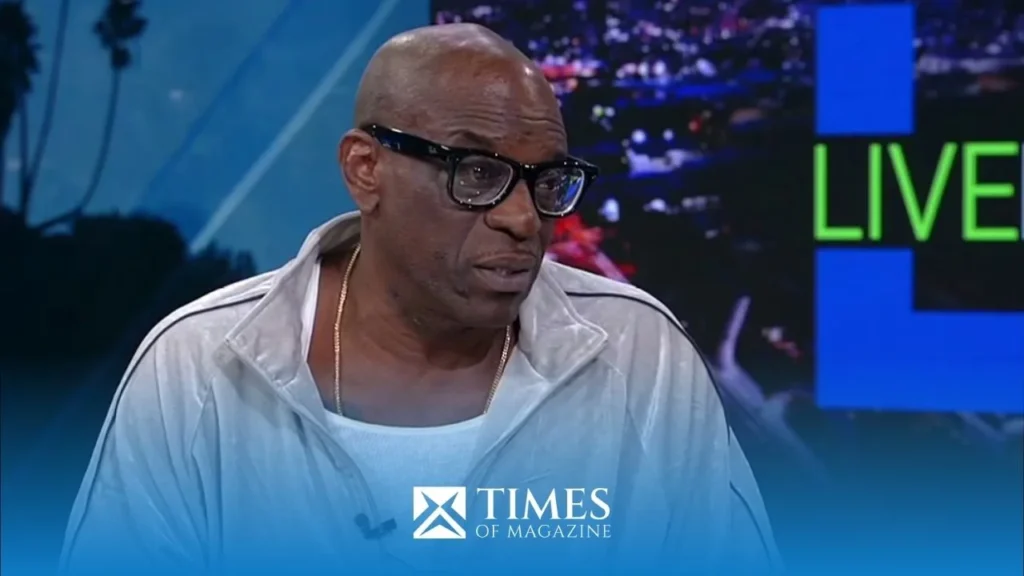
Mopreme Shakur actively works to maintain the integrity of the Shakur family narrative against misinformation and exploitation. His efforts include interviews, public appearances, and the memoir that contextualizes their revolutionary background. He emphasizes education and empowerment consistent with family values.
This preservation extends to music catalog management and community discussions about Tupac’s impact. Mopreme ensures younger generations receive accurate perspectives rather than sensationalized versions. His approach combines respect for the past with forward-looking activism.
Such dedication solidifies his role as a steward of cultural memory. Mopreme Shakur continues bridging generational gaps while protecting the essence of the legacy he helped build.
Challenges in the Spotlight
Living in the shadow of Tupac’s immense fame presented ongoing challenges for Mopreme Shakur. Comparisons and expectations often overshadowed his individual achievements, while constant questions about his brother’s death added emotional weight. He navigated these pressures with dignity and selective engagement.
Industry politics, legal matters surrounding the estate, and public speculation created additional hurdles. Mopreme maintained independence while honoring family ties, avoiding pitfalls that ensnared others. Personal losses and health considerations further tested his resolve over the decades.
Despite difficulties, he emerged with strengthened perspective. These experiences informed his later work and reinforced commitment to authentic expression over fleeting attention.
Personal Life and Fatherhood
Beyond music, Mopreme Shakur values his roles as husband and father. Family life provides balance amid public demands, grounding him in responsibilities that echo lessons from his own upbringing. He speaks thoughtfully about passing on cultural awareness and resilience to the next generation.
Privacy remains important, with limited public details shared about his immediate family. This protective approach reflects priorities shaped by past scrutiny. Fatherhood appears central to his identity, influencing creative themes and community involvement.
These personal dimensions humanize the artist. Mopreme Shakur demonstrates that success encompasses both professional impact and meaningful private connections.
Conclusion
Mopreme Shakur represents endurance, authenticity, and quiet strength in hip-hop’s complex landscape. From revolutionary family roots to pioneering group work and reflective memoir, his path offers valuable lessons about legacy and self-definition. He honors the past while contributing meaningfully to the present.
As interest in Shakur family stories persists, Mopreme provides essential context and perspective. His journey reminds us that behind iconic figures stand dedicated individuals whose stories deserve full recognition. Through music, writing, and advocacy, he continues shaping cultural conversations.
Ultimately, Mopreme Shakur’s life affirms the power of resilience and truthful storytelling in preserving history and inspiring change.
Frequently Asked Questions
Who is Mopreme Shakur?
Mopreme Shakur is a veteran rapper, founding member of Thug Life, and stepbrother of Tupac Shakur. He is also an author whose 2026 memoir details family history and hip-hop experiences.
What is Mopreme Shakur’s real name?
His birth name is Maurice Harding, later known as Maurice Shakur. He has used stage names including Wycked, Mocedes, and Komani.
What groups was Mopreme Shakur part of?
He co-founded Thug Life and was an early member of the Outlawz (as Komani). Thug Life released the gold-certified album Volume 1 in 1994.
What is Mopreme Shakur’s memoir about?
This Thug’s Life: An Unapologetically Black Story (2026) provides the first insider account of the Shakur family, Thug Life’s origins, and his relationship with Tupac.
Is Mopreme Shakur still active in music?
Yes, he remains active through occasional releases, appearances, and storytelling that blend music with activism and legacy preservation.
Read More : Who Is Gloria Carter? Everything to Know About Jay-Z’s Inspirational Mother